Understanding Your Lipid Profile: What the Cholesterol Test Reveals About Your Health
- donna54400
- 7 hours ago
- 3 min read
When you visit a doctor for a routine checkup, one of the common tests you might encounter is the lipid profile, often called a cholesterol test. This test provides crucial information about the fats in your blood, which can help assess your risk for heart disease and other health problems. Understanding what the lipid profile measures and what the results mean can empower you to take control of your health.

What Is a Lipid Profile (Cholesterol Test) ?
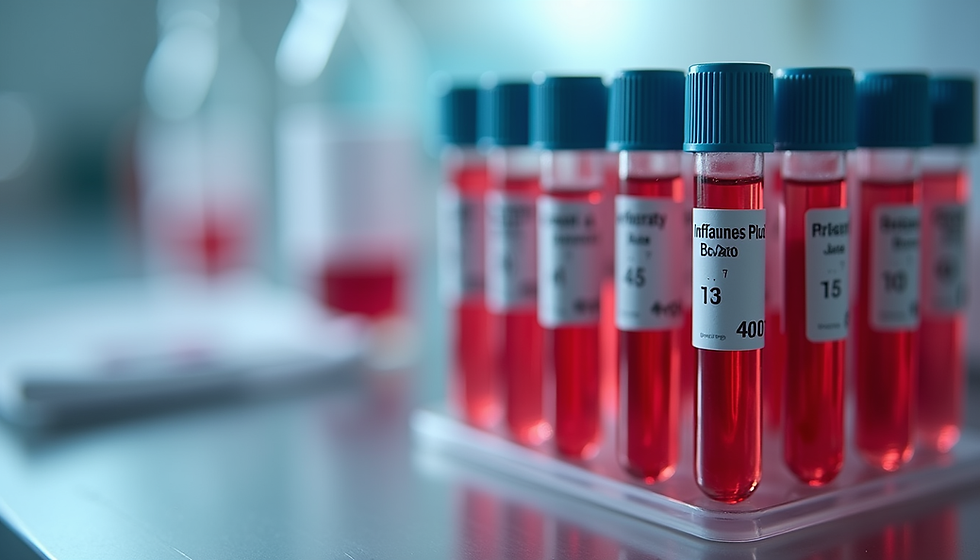
A lipid profile is a blood test that measures the levels of specific types of fats in your bloodstream. These fats include:
Total cholesterol: The overall amount of cholesterol in your blood.
Low-density lipoprotein (LDL) cholesterol: Often called "bad" cholesterol because high levels can lead to plaque buildup in arteries.
High-density lipoprotein (HDL) cholesterol: Known as "good" cholesterol because it helps remove LDL cholesterol from the bloodstream.
Triglycerides: A type of fat that stores unused calories and provides energy.
Doctors use these measurements to evaluate your risk of developing cardiovascular diseases such as heart attacks and strokes.
Why Is the Lipid Profile Important?
High cholesterol and triglyceride levels can silently damage your arteries over time. This damage can lead to atherosclerosis, a condition where arteries narrow and harden, reducing blood flow to vital organs. The lipid profile helps identify if your blood fat levels are within a healthy range or if you need lifestyle changes or treatment to reduce your risk.
For example, someone with high LDL cholesterol and low HDL cholesterol may be at greater risk for heart disease. On the other hand, a person with balanced cholesterol levels usually has a lower risk.
How to Prepare for the Test
The lipid profile test usually requires fasting for 9 to 12 hours before the blood draw. Fasting means no food or drinks except water. This step ensures that recent meals do not affect the accuracy of triglyceride and cholesterol measurements.
If you forget to fast, your doctor might still order the test but interpret the results with caution or ask you to repeat it.
Understanding Your Results
High LDL cholesterol increases the chance of plaque buildup in arteries.
Low HDL cholesterol means less protection against artery clogging.
High triglycerides can also contribute to artery damage and may indicate other health issues like diabetes or obesity.
Total cholesterol gives an overall picture but is less informative without the breakdown.
Factors That Affect Your Lipid Profile
Several lifestyle and genetic factors influence your cholesterol and triglyceride levels:
Diet: Eating foods high in saturated fats, trans fats, and cholesterol can raise LDL levels.
Physical activity: Regular exercise tends to increase HDL and lower LDL and triglycerides.
Weight: Being overweight or obese often raises LDL and triglycerides.
Smoking: Lowers HDL cholesterol.
Age and gender: Cholesterol levels tend to rise with age; women usually have higher HDL than men.
Medical conditions: Diabetes, hypothyroidism, and kidney disease can affect lipid levels.
Medications: Some drugs can raise or lower cholesterol and triglycerides.
How to Improve Your Lipid Profile
If your lipid profile shows unhealthy levels, there are practical steps you can take to improve it:
Adopt a heart-healthy diet
Focus on fruits, vegetables, whole grains, lean proteins, and healthy fats like those found in nuts, seeds, and fish. Limit red meat, fried foods, and sugary snacks.
Exercise regularly
Aim for at least 150 minutes of moderate aerobic activity per week, such as brisk walking, cycling, or swimming.
Maintain a healthy weight
Losing even a small amount of weight can improve cholesterol and triglyceride levels.
Quit smoking
Stopping smoking can raise your HDL cholesterol and improve overall heart health.
Limit alcohol intake
Excessive drinking can increase triglycerides.
Follow your doctor’s advice
If lifestyle changes are not enough, your doctor may prescribe medications like statins to help manage cholesterol.

When to Get Tested
Adults should have their lipid profile checked every 4 to 6 years starting at age 20, according to many health guidelines. People with risk factors such as family history of heart disease, diabetes, obesity, or smoking may need more frequent testing.
Children with a family history of high cholesterol or early heart disease might also require testing.
What to Do After Receiving Your Results
After getting your lipid profile results, discuss them with your healthcare provider. They can explain what the numbers mean for your personal health and recommend next steps. Keep track of your results over time to see how lifestyle changes or treatments affect your cholesterol and triglycerides.
Final Thoughts
The lipid profile is a simple but powerful tool to understand your heart health. Knowing your cholesterol and triglyceride levels helps you make informed decisions about diet, exercise, and medical care. Regular testing and proactive management can reduce your risk of heart disease and improve your overall well-being.
If you have not had a lipid profile test recently, consider scheduling one. Taking charge of your cholesterol today can lead to a healthier tomorrow.