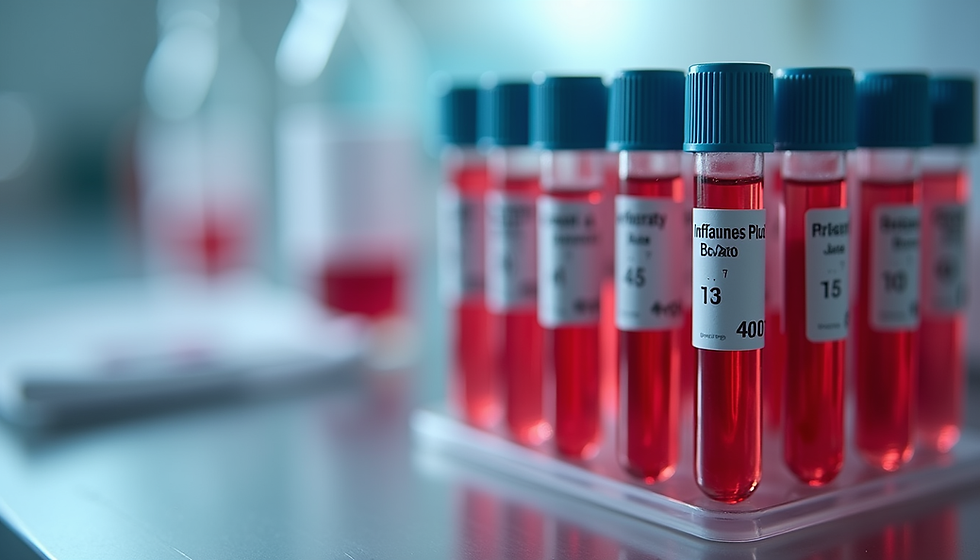
Understanding the Importance of an Optimal Male Blood Test for Health Monitoring
- donna54400
- 1 day ago
- 3 min read
Regular health check-ups are essential, but for men, an optimal blood test can provide a clearer picture of overall health and help detect potential issues early. Blood tests offer valuable insights into how the body is functioning, revealing information that might not be obvious through symptoms alone. This post explains why men should consider an optimal blood test, what it includes, and how it supports long-term health.

What Is an Optimal Male Blood Test?
An optimal male blood test is a comprehensive panel designed specifically to assess key health markers relevant to men. Unlike basic blood tests, this panel focuses on areas that affect men’s health the most, such as hormone levels, cardiovascular risk factors, and metabolic function.
Typical components includes:
Thyroid Health - Thyroid Stimulating , Hormone (TSH), Free Thyroxine (FT4) , Free Tri-iodothyronine (FT3), Anti-Thyroglobulin Antibody (Anti-Tg), Anti-Thyroid Peroxidase , Antibody (Anti-TPO)
Hormonal Health - Oestradiol, Follicle Stimulating Hormone, Luteinising Hormone, Progesterone, Prolactin, Testosterone, Free Testosterone, Sex Hormone Binding , Globulin (SHBG), Free Androgen.
Blood Sugars - HbA1C
Full Blood Count - Haemoglobin, Haematocrit, Mean Cell Haemoglobin, Mean Cell Haemoglobin , Concentration (MCHC), Red Blood Cell Mean , Cell Volume (MCV), Red Blood Cell Count, Basophil Count, Lymphocyte Count, Eosinophil Count, Monocyte Count, Neutrophil Count, White Blood Cell Count, Platelet Count
Heart Health - Total Cholesterol, LDL Cholesterol, HDL Cholesterol, Total Cholesterol/, HDL Cholesterol Ratio, Triglycerides, High Sensitivity C-Reactive Protein (hsCRP)
Liver Health - Alanine Aminotransferase (ALT), Alkaline Phosphatase (ALP), Aspartate Aminotransferase (AST), Gamma- glutamyl transferase (GGT), Total Bilirubin, Albumin, Ferritin
Other tests - Total Prostate Specific Antigen (TPSA), Cortisol & Creatinine
This tailored approach helps identify issues that might otherwise go unnoticed, allowing men to take proactive steps toward better health.
Why Men Should have an Optimal Blood Test?
Men often face unique health challenges that require targeted monitoring. For example, testosterone levels naturally decline with age, which can impact physical and mental well-being. Heart disease remains the leading cause of death among men, making early detection of risk factors critical.
Here are key reasons to prioritize an optimal male blood test:
Early Detection of Chronic Conditions: Many diseases develop silently. Blood tests can reveal early signs of diabetes, kidney disease, or liver problems before symptoms appear.
Hormonal Balance: Testosterone affects mood, libido, muscle strength, and energy. Testing helps identify imbalances that might require treatment.
Heart Health Monitoring: Cholesterol and triglyceride levels provide insight into cardiovascular risk, guiding lifestyle or medication changes.
Personalized Health Insights: Results offer a snapshot of overall health, enabling tailored advice on diet, exercise, and supplements.
How Often Should Men Get Optimal Tested?
Frequency depends on age, health status, and risk factors. Generally:
Men under 40 with no symptoms or risk factors may test every 3 to 5 years.
Men over 40 or with risk factors such as family history, obesity, or smoking should test annually.
Men with existing health conditions may require more frequent monitoring as advised by their healthcare provider.
Regular testing helps track changes over time and assess the effectiveness of lifestyle or medical interventions.
Preparing for the Optimal Blood Test and Understanding Results
Preparation usually involves fasting for 8 to 12 hours before the blood draw, especially for lipid and glucose tests. It’s important to follow your healthcare provider’s instructions to ensure accurate results.
Interpreting results can be complex. Here are some examples of what certain findings might mean:
High LDL Cholesterol: Increased risk of heart disease; may require dietary changes or medication.
Low Testosterone: Could explain fatigue, low libido, or mood changes; might lead to hormone therapy.
Elevated Blood Glucose: Indicates prediabetes or diabetes; lifestyle changes or treatment needed.
Discuss your results with a healthcare professional who can explain what they mean for your health and recommend next steps.

Taking Action Based on Blood Test Results
Blood tests provide data, but the real value comes from using that information to improve health. Here are practical steps men can take:
Adopt a Heart-Healthy Diet: Focus on fruits, vegetables, whole grains, and lean proteins to manage cholesterol and blood sugar.
Exercise Regularly: Physical activity supports cardiovascular health, hormone balance, and weight control.
Manage Stress: Chronic stress can affect hormone levels and inflammation.
Consider Supplements: If tests show deficiencies, supplements like vitamin D or B12 can help.
Follow Medical Advice: If prescribed medications or therapies, adhere to the plan and schedule follow-up tests.
Tracking progress with repeat blood tests helps ensure that changes are effective and health is improving.
Final Thoughts on Optimal Male Blood Testing
An optimal male blood test is a powerful tool for understanding and maintaining health. It goes beyond basic screening to focus on areas that matter most for men’s well-being. Regular testing helps catch problems early, supports informed decisions, and encourages a proactive approach to health.