
Why You Should Regularly Check Your Cholesterol Levels
Cholesterol is a waxy substance found in your blood that is essential for building healthy cells. But high cholesterol levels can put you at risk of heart disease and stroke. Regular cholesterol blood tests are critical for monitoring your levels and keeping track of your health. In this post, we will discuss why checking your cholesterol is important, what the tests involve, and how to manage your cholesterol effectively.
Understanding Cholesterol
Cholesterol is produced by your liver and is also found in certain foods, such as meat, cheese, and eggs. It travels through your bloodstream in two main types of lipoproteins: low-density lipoprotein (LDL) and high-density lipoprotein (HDL).
LDL is known as "bad" cholesterol because it can lead to plaque buildup in your arteries, raising the risk of heart disease. In fact, studies show that people with LDL levels above 160 mg/dL have significantly higher heart disease risk compared to those with lower levels. Conversely, HDL is termed "good" cholesterol because it helps remove LDL from your bloodstream. Aim for an HDL level of 60 mg/dL or higher, which can provide a protective effect against heart disease.
The Importance of Cholesterol Testing
Getting your cholesterol tested regularly is crucial for a few key reasons:
Early Detection: High cholesterol typically presents no symptoms, making it easy to overlook. A cholesterol test can catch high levels before they lead to serious health issues.
Risk Assessment: Knowing your cholesterol levels allows you to assess your risk for heart disease and stroke. If you have elevated cholesterol, you might be 2 to 4 times more likely to develop cardiovascular problems compared to individuals with optimal levels.
Monitoring Treatment: If you're on medication or have made lifestyle changes to manage your cholesterol, regular tests help you track progress. For example, patients on statins often see a significant drop in LDL levels within weeks.
After the test, your healthcare provider will explain what the results mean and how they affect your health.
Medication Options
In some situations, lifestyle changes alone may not lower high cholesterol effectively. Your healthcare provider might prescribe medications such as statins, bile acid sequestrants, or cholesterol absorption inhibitors to help reduce your cholesterol levels. Statins, which are prescribed to millions of people globally, can lower LDL cholesterol by as much as 50% or more.
Maintaining a Healthy Future
Regular cholesterol testing is a critical part of keeping your overall health in check. By understanding your cholesterol levels and taking proactive steps to manage them, you can significantly lower your risk of heart disease and stroke. Don’t wait for symptoms to arise; make it a priority to check your cholesterol levels consistently and talk with your healthcare provider about effective strategies for maintaining a healthy heart.
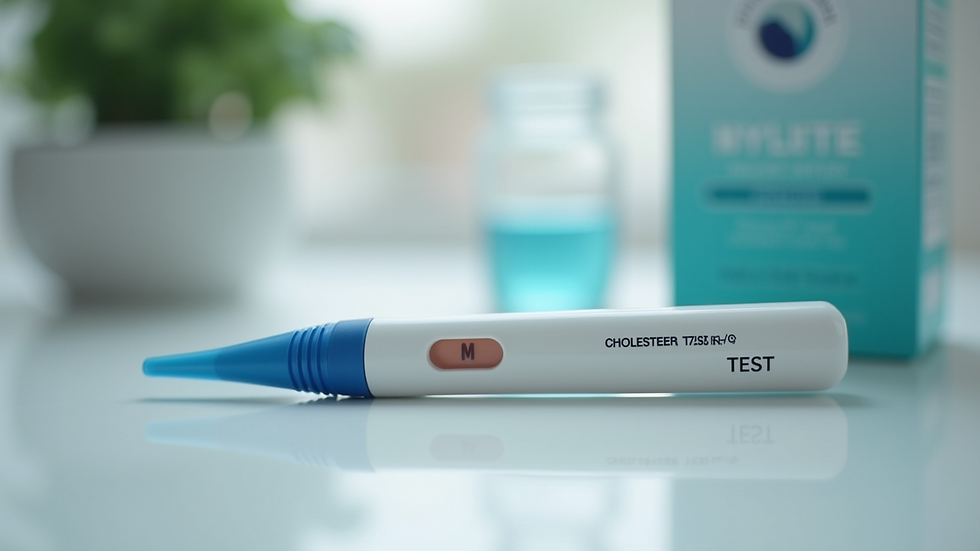
Taking charge of your health begins with knowledge. Schedule your cholesterol test today and take the first step towards a healthier future.

